Owning a residential property is a cornerstone of long-term financial security and personal independence. However, the true reality of maintaining a house involves an ongoing, vigilant defense against natural wear, environmental hazards, and structural deterioration. A house is a complex, interconnected system of materials, utilities, and safety barriers that require consistent oversight to function correctly. When property owners neglect routine maintenance, tiny vulnerabilities can rapidly escalate into catastrophic failures that threaten both financial well-being and physical safety. Developing a comprehensive maintenance strategy acts as a protective shield, preserving the structural integrity of the asset while ensuring a healthy living environment. By committing to proactive upkeep, individuals can intercept minor problems before they require emergency intervention or cause irreparable structural harm.
Securing the Uppermost Barrier Against Severe Weather
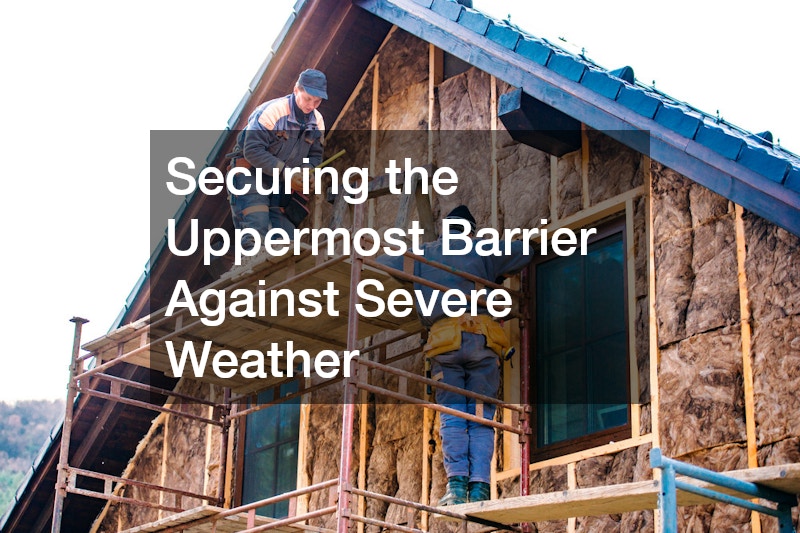
The primary defensive line against severe weather, torrential downpours, and intense solar radiation is the residential roofing system. Over time, constant exposure to fluctuating temperatures, high winds, and heavy precipitation degrades materials, leading to unseen cracks or displaced shingles. When vulnerabilities emerge on the roof surface, moisture can easily seep into the underlying wooden decking and create extensive rot. Property owners must establish a routine of conducting thorough visual inspections at least twice a year, specifically after major seasonal transitions. Identifying curling shingles, compromised flashing around chimneys, and accumulated debris in valleys can prevent water from breaching the building envelope.
When structural issues are identified during these routine examinations, it is imperative to contact certified professional roofers immediately to assess the true extent of the damage. Attempting to patch complex roofing systems without specialized training often results in inadequate seals that merely mask deeper, progressing structural issues. Qualified professionals possess the necessary safety equipment, diagnostic tools, and materials to execute durable repairs that extend the overall lifespan of the roof. Furthermore, regular professional maintenance preserves valid manufacturer warranties and provides homeowners with detailed documentation regarding the structural condition of their property.
Mitigating Hidden Biological Growth and Moisture Hazards
Indoor air quality and structural safety can be severely compromised by invisible biological entities that thrive in damp, unventilated environments. When water intrusions occur due to minor plumbing leaks or high humidity levels, microscopic spores can settle and multiply rapidly behind drywall. This biological growth degrades building materials by feeding on organic matter, which ultimately compromises the physical integrity of walls and framing over extended periods. Furthermore, prolonged exposure to these airborne contaminants can cause noticeable health issues for sensitive individuals, including respiratory irritation and chronic allergic reactions. Because these organisms frequently colonize hidden cavities within the structure, discovering their presence requires a highly targeted approach that goes beyond basic visual observation.
To accurately identify and neutralize these silent threats before they cause widespread structural damage, homeowners should invest in professional mold testing to determine the exact nature and scope of the contamination. Certified environmental specialists utilize advanced air sampling equipment and surface moisture meters to locate hidden pockets of biological activity that are completely invisible to the eye. The detailed laboratory analysis provided by these tests allows property owners to implement highly effective, targeted remediation plans rather than guessing at the source. Addressing moisture imbalances and executing precise eradication strategies ensures that the indoor living space remains safe, clean, and structurally sound for the long term.
Maintaining Wastewater Infrastructure Flow and Pipeline Integrity
The internal plumbing network of a modern home is responsible for transporting hundreds of gallons of waste and freshwater safely through the structure every single day. Over time, organic matter, soap scum, mineral deposits, and accidental debris accumulate along the inner walls of drainage pipes, gradually restricting the natural flow of water. This slow accumulation creates a high-pressure environment within the plumbing lines, which can lead to weakened joints, pinhole leaks, and eventual pipe failures. When a drainage system becomes completely obstructed, the resulting backup can send contaminated wastewater overflowing into living spaces, causing instantaneous and severe damage to flooring and structural framing.
While many individuals rely on harsh chemical additives to resolve slow drains, these corrosive substances frequently erode the interior pipe walls and accelerate the need for expensive line replacements. Utilizing a professional drain cleaning service is the safest and most efficient method to completely clear stubborn blockages and restore the plumbing system to its original capacity. Professional plumbing technicians employ advanced hydrostatic jetting and mechanized augers to safely scour the entirety of the pipe interior without risking structural damage to the lines. Establishing a preventative schedule for this mechanical cleansing eliminates the risk of sudden, catastrophic sewage backups and protects the home’s foundational infrastructure.
Identifying Toxic Legacy Materials in Historical Properties
Residential properties constructed before the late twentieth century frequently contain hidden construction materials that pose severe, long-term health risks to occupants when disturbed. These mineral fibers were historically utilized in texturized ceilings, pipe insulation, floor tiles, and joint compounds due to their exceptional heat resistance and insulating capabilities. As these aging materials degrade naturally over time or become disrupted during routine renovation projects, they release microscopic, toxic dust into the indoor air supply. Inhaling these airborne fibers can lead to debilitating, irreversible respiratory illnesses that may not manifest until decades after the initial exposure occurred. Consequently, managing an older home requires an extreme level of caution whenever walls are opened or old surfaces are sanded down.
Before initiating any demolition, remodeling, or extensive structural repair work in an older residence, securing a certified asbestos inspection service is an absolute safety prerequisite. These specialized inspectors possess the training required to safely collect material samples without releasing dangerous fibers into the ambient air of the home. The subsequent laboratory evaluation provides a definitive assessment of where hazardous materials reside and outlines the specific legal protocols required for their safe containment or removal. Knowing exactly which components of a house contain these legacy hazards allows homeowners to protect their families and avoid facing severe regulatory penalties or liability during property transactions.
Optimizing the Structural Thermal Envelope for Energy Efficiency
A home’s thermal envelope regulates the transfer of heat between the interior living spaces and the unpredictable outdoor environment. When this barrier is insufficient or degraded, heated air rapidly escapes during the winter months, while undesirable ambient heat infiltrates the living spaces during the summer season. This continuous thermal transfer forces mechanical heating and cooling systems to operate incessantly, leading to premature equipment wear and exorbitant monthly utility invoices. Beyond the financial impact, an unoptimized thermal envelope creates inconsistent indoor temperatures, drafty localized zones, and excessive strain on the structural framework. Enhancing this boundary layer is one of the most effective strategies for reducing a household’s overall carbon footprint while stabilizing long-term operational costs.
To correct these systemic efficiency deficits, property owners should consult a qualified insulation company to evaluate the current state of their home’s thermal barriers and seals. These energy specialists utilize thermal imaging cameras to pinpoint exact locations where conditioned air is leaking out of the building structure. By installing modern, high-performance insulating materials in walls, crawlspaces, and around rim joists, technicians can effectively neutralize these thermal bridges and stabilize the internal climate. This structural upgrade dramatically reduces the workload placed on furnaces and air conditioning units, thereby extending their operational spans significantly.
Upgrading Attic Space Barriers to Stabilize Internal Climate
The attic space represents one of the most critical zones for residential thermal management because heat naturally rises through a structure via convection. When upper-level insulation is compressed, outdated, or absent, the attic becomes a massive heat sink that directly compromises the climate of the living spaces below. During colder seasons, rising heat escapes into the unconditioned attic, melting snow on the roof surface and creating hazardous ice dams that damage gutters. In contrast, summer sunshine bakes the roof structure, driving extreme heat down through the ceiling and forcing air conditioning units to labor under unsustainable workloads. Ensuring that this upper boundary meets modern building efficiency standards is paramount for comprehensive home protection.
Engaging certified attic insulation companies allows homeowners to address these upper-level vulnerabilities through the application of advanced blowing techniques or radiant barriers. These specialized contractors understand how to balance thermal resistance with proper ventilation, ensuring that moisture does not accumulate in the roof framing while maximizing energy retention. Upgrading this specific zone prevents the formation of destructive ice dams on the exterior roof lines, thereby protecting the shingles and gutters from mechanical failure. Furthermore, a properly insulated attic space stabilizes the temperature of the entire house, eliminating the common problem of uncomfortably hot second-story bedrooms.
Verifying Safety and Purity in Domestic Utilities
Access to clean, uncontaminated drinking water is a fundamental requirement for maintaining a healthy and safe residential environment. Residential water supplies, whether sourced from municipal systems or private wells, can easily become contaminated by heavy metals, agricultural runoff, industrial chemicals, or bacterial pathogens. Many of these hazardous contaminants are completely odorless, tasteless, and colorless, making them impossible to detect without sophisticated chemical analysis. Prolonged consumption of contaminated water can lead to chronic health complications, while high mineral content can cause scale buildup within plumbing fixtures. This internal scaling restricts water flow, reduces the efficiency of water heaters, and shortens the operational lifespan of expensive household machinery.
To guarantee the safety of the household and protect plumbing infrastructure from internal degradation, scheduling a comprehensive home water testing service is essential. This scientific evaluation provides a detailed breakdown of the water’s chemical composition, identifying the presence of lead, nitrates, volatile organic compounds, and microbial organisms. Armed with these precise analytical data points, homeowners can select and install the exact filtration or softening systems needed to rectify their specific water quality issues. Regular testing ensures that the water flowing through the home remains entirely safe for consumption, cooking, and bathing while preventing internal corrosion within the piping network.
Eliminating Fire Hazards in Appliance Exhaust Systems
The modern clothes dryer is an incredibly convenient appliance, but it also represents one of the leading causes of preventable residential structure fires. As clothing tumbles through the drying cycle, fine fabric fibers bypass the primary lint screen and accumulate within the internal exhaust ductwork over time. This trapped lint is highly flammable and restricts the natural airflow required for the appliance to exhaust hot, moist air safely out of the building. When the exhaust pathway becomes heavily obstructed, the internal operating temperature of the dryer spikes dramatically, creating a dangerous environment where the accumulated lint can instantly ignite.
Homeowners can easily eliminate this hidden fire risk by scheduling an annual professional dryer vent cleaning to remove all accumulated debris from the exhaust line. Specialized technicians utilize flexible, rotating brush systems and high-powered vacuums to clear the entire length of the ductwork, including difficult bends and exterior exit hoods. This preventative maintenance task dramatically improves the operational efficiency of the appliance, allowing clothes to dry faster while using significantly less electrical energy. More importantly, keeping the exhaust path completely clear provides peace of mind by removing a major hidden fire hazard from the residential structure. Prioritizing this simple, low-cost maintenance task is a vital component of protecting the home from sudden, devastating accidental fires.
Preserving Interior Finishes and Floor Safety Measures
Residential carpeting acts as a massive air filter within the home, trapping airborne dust, pollen, pet dander, and tracked-in soil deep within its dense fibers. Over time, these abrasive particles accumulate near the base of the carpet backing, where they act like tiny blades that cut and fray the fibers under the pressure of daily foot traffic. This continuous mechanical friction causes the flooring material to wear out prematurely, leading to unsightly traffic lanes and the early expense of replacement. Furthermore, deeply embedded organic matter can attract microscopic pests and foster the growth of dust mite populations, which severely degrade the indoor air quality and exacerbate respiratory conditions.
To extend the lifespan of these interior finishes and maintain a healthy indoor climate, homeowners should schedule professional carpet cleaning services at regular intervals. Industry experts utilize specialized hot water extraction machinery and safe chemical rinses to break down stubborn oil bonds and lift embedded grit from the deepest layers of the fabric. This deep cleansing process restores the original elasticity of the fibers, revitalizes the appearance of the flooring, and completely sanitizes the indoor environment. By removing the abrasive soils that destroy carpet backing, professional maintenance protects the initial financial investment made in the home’s interior finishes. Keeping these textiles thoroughly cleaned ensures that the living space remains visually appealing, comfortable, and free from airborne allergens.
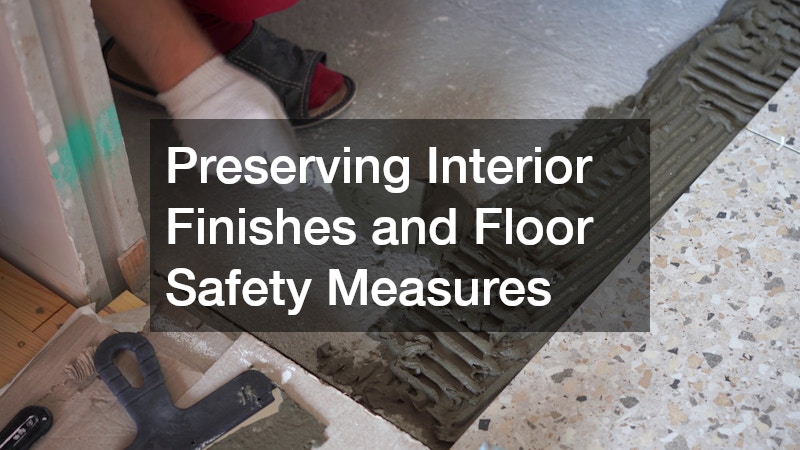
When grout lines exhibit signs of crumbling, deep staining, or structural separation in tiled areas, executing a professional grout repair is necessary to restore the waterproof integrity of the surface. This process involves carefully removing the compromised, failing material and replacing it with modern, polymer-modified grout that offers superior resistance to cracking and moisture absorption. Once the new material is cured, applying a high-grade hydrophobic sealer creates an impenetrable barrier that prevents future liquid penetration and staining.
The safety, efficiency, and structural longevity of a residential property require a holistic commitment to continuous preventative maintenance. Each task, from clearing hidden exhaust lines to reinforcing structural thermal barriers, contributes to a larger, unified defense system that preserves the value of the asset.